Traditional Wellness Practices: Food, Baths and Movement
A little ginger in your cooking, a warm bath or a walk around the neighbourhood can each have a place in your day. They serve different purposes, though, and it helps to know where everyday enjoyment ends and health research begins.
Here are four familiar practices, with a few ways to enjoy them and clear links to the evidence. This is general reading, not a treatment plan for pain or a medical condition.
Turmeric in the kitchen
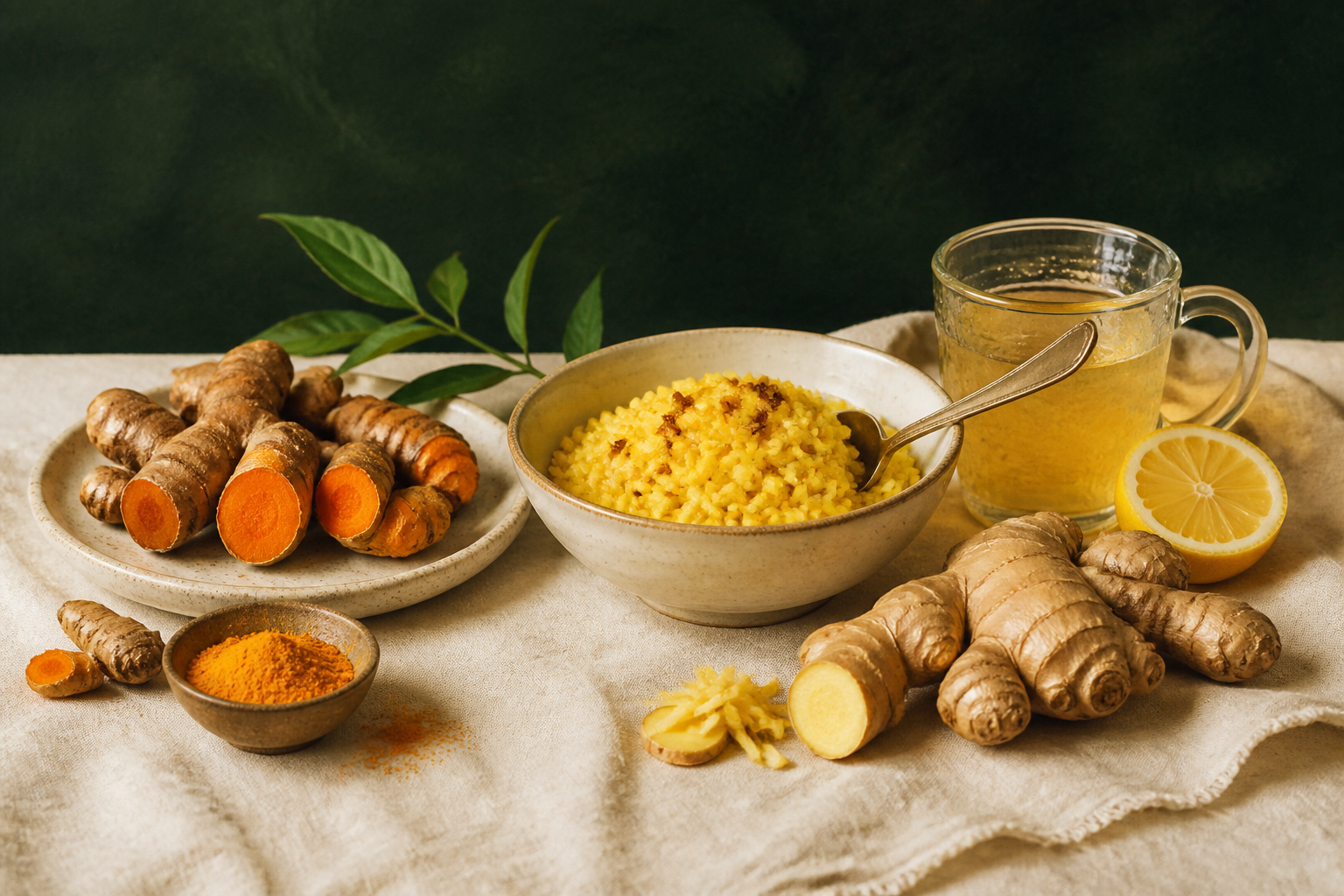
Turmeric brings a golden colour and an earthy flavour to rice, soups and curries. Start with a small amount in a recipe you already enjoy; its flavour can become bitter if it takes over the dish.
For a simple change at dinner, stir a little ground turmeric into rice before cooking, or add it to a lentil soup with your other seasonings. Keep a cloth nearby: the yellow colour can stain surfaces and fabric.
Turmeric contains curcumin, a compound studied in health research. The US National Center for Complementary and Integrative Health’s turmeric guide says there is not enough evidence to reach firm conclusions about health benefits. Research on a concentrated supplement cannot be treated as proof of what a meal or blended tea will do.
Ginger for a brighter flavour
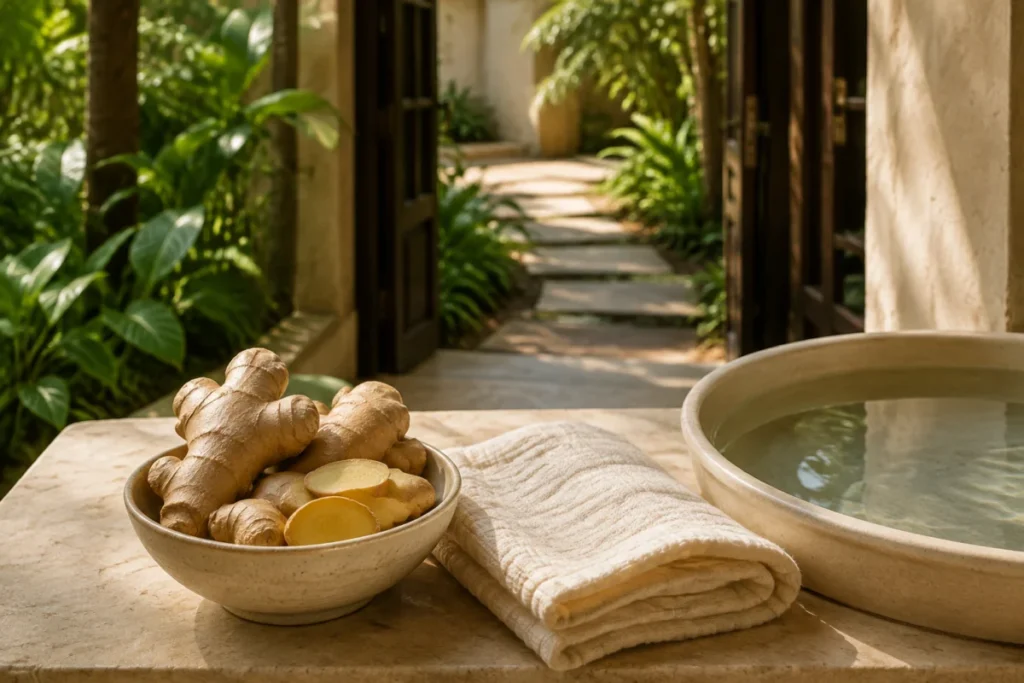
Fresh ginger adds a peppery warmth to a broth, stir-fry or drink. Slice it thinly for a gentler infusion, or grate it when you want it mixed through a dish.
Try a few slices steeped in hot water, then add lemon to taste. If you prefer a cold drink, let the infusion cool and pour it over ice. Adjust it for flavour rather than treating a particular amount as a medicinal dose.
NCCIH’s ginger guide explains that much of the nausea research tested supplements rather than foods, and that much of the research on knee osteoarthritis has been poor quality. Ginger supplements are not interchangeable with a homemade drink. If you take medication and are considering herbal supplements, discuss them with your healthcare professional.
Warm baths and Epsom salts
A warm bath can be a pleasant way to pause at the end of the day. Epsom salt is magnesium sulfate, but adding it to bathwater should not be presented as a proven way to correct magnesium deficiency.
Cleveland Clinic’s guide to Epsom salt baths explains the uncertainty around meaningful magnesium absorption through the skin. It also advises against Epsom salt baths with open wounds, skin infections, severe inflammation or burns.
Keep the water comfortably warm, follow the bath product’s instructions and stop if your skin becomes irritated. Use bath salts for bathing; do not add them to a drink.
Movement that fits your day

A walk, a swim or a movement break can be easier to fit into the day than an ambitious new routine. Choose something you enjoy and can manage comfortably.
If you have back pain, the NHS back-pain guide recommends staying active and avoiding long periods in bed. It also says to stop exercises that make pain worse and seek medical advice. Its guidance includes signs that need urgent care, so use that information rather than pushing through symptoms or relying on a generic exercise list.
Making room for everyday enjoyment
Choose the food, drink or activity because it suits your tastes and your day. A favourite recipe does not need a treatment promise to be worth making.
For symptoms that persist, worsen or interfere with daily life, speak to a qualified healthcare professional. Foods, drinks and bath products should not replace appropriate medical care.