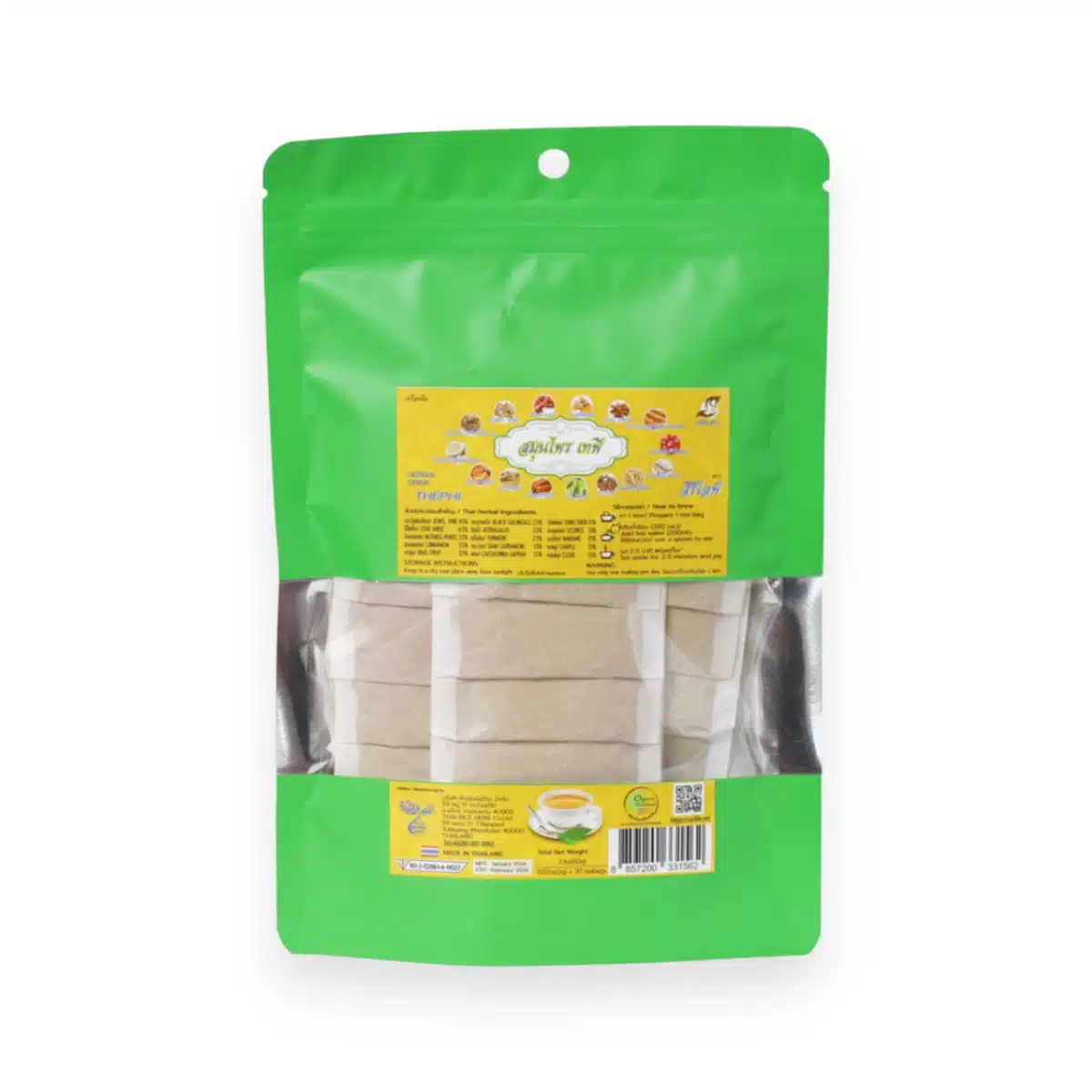
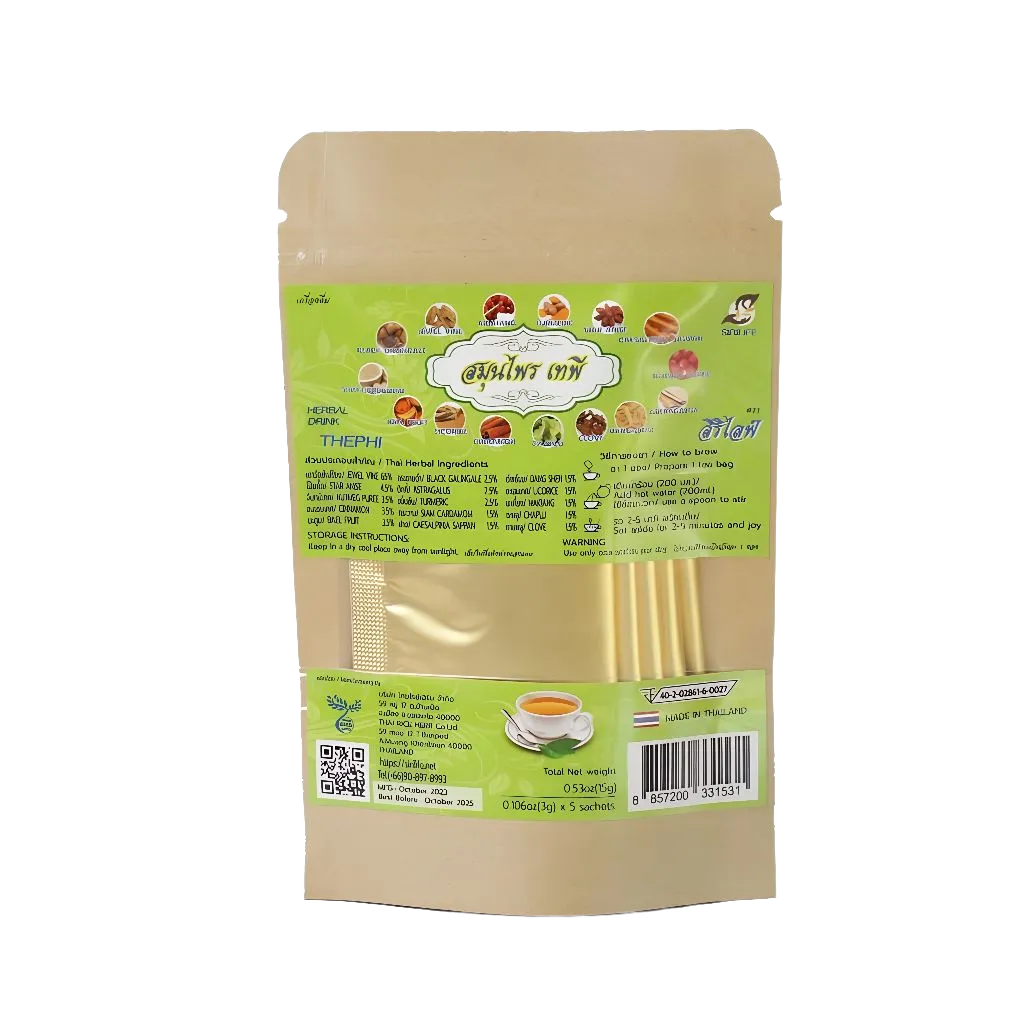
Tapee Tea is a caffeine-free herbal beverage inspired by centuries of traditional Thai medicine. It blends 15 herbs traditionally used in Thailand to support everyday well-being.† With a primary focus on Jewel Vine (Derris scandens), this herbal blend provides a gentle yet effective way to integrate Thailand’s rich herbal heritage into your daily life.
In this guide, you’ll discover the cultural story behind Tapee Tea, explore its traditionally valued ingredients, understand their historical uses, and learn why this blend has captured the interest of those who appreciate authentic cultural products and high-quality herbal teas.
Origins and Heritage of Tapee Tea
Tapee Tea’s roots lie deep in the traditional herbal practices of Thailand, where local communities have cherished herbal blends for generations. This knowledge of traditional herbal combinations has been carefully preserved and passed down through families and communities, representing a living tradition that continues today.
Our blend honors this heritage by combining traditional wisdom with modern convenience, creating a tea that offers the authentic taste of Thai herbal culture without caffeine. Each ingredient is sustainably sourced from smallholder farms in Thailand, ensuring that Tapee Tea remains true to its cultural origins while supporting local communities.

What’s in Tapee Tea? Key Ingredients Explained
Primary Ingredient:
- Jewel Vine (Derris scandens) – 65%
In traditional Thai herbalism, Jewel Vine has been historically valued and used in various traditional preparations. This climbing plant is native to Southeast Asia and holds cultural significance in traditional Thai herbal practices.
Supporting Ingredients:
- Star Anise (Illicium verum)
This star-shaped spice adds subtle sweetness and distinctive aroma to the blend. Star anise has been traditionally used in various cultures and contains compounds that have attracted scientific interest. According to Healthline, star anise is rich in antioxidants and has been studied for various properties, though these studies focus on the isolated compounds rather than tea consumption. - Ceylon Cinnamon (Cinnamomum verum)
Known for its warm, comforting aroma and sweet flavor, Ceylon cinnamon is considered the “true” cinnamon and is valued in traditional practices worldwide. The Cleveland Clinic notes that cinnamon has been studied extensively, though research focuses on concentrated extracts and supplements rather than culinary or tea use. - Nutmeg (Myristica fragrans)
This aromatic spice offers warm, earthy flavor notes that complement the other herbs. Nutmeg has been traditionally valued in various cultures. Verywell Health provides educational information about nutmeg’s traditional uses and the scientific research on its compounds, though this research typically involves concentrated forms rather than dietary consumption. - Bael Fruit (Aegle marmelos)
Traditionally consumed in Thailand, bael fruit adds gentle citrus undertones to the blend. This fruit has been part of traditional Thai practices for generations and contributes to the authentic cultural character of the tea. - Black Galangal (Kaempferia parviflora)
Traditionally valued in Thai culture, black galangal has been used in various traditional preparations. Examine.com provides comprehensive research information about this herb’s compounds and the studies conducted on them, though these studies typically examine concentrated extracts rather than traditional tea preparations. - Astragalus (Astragalus membranaceus)
This herb has been traditionally used in various cultural practices. WebMD offers educational information about astragalus and the research conducted on its compounds, though scientific studies typically focus on standardized extracts rather than traditional tea blends. - Turmeric (Curcuma longa)
Famous for its vibrant golden color and earthy flavor, turmeric has been a cornerstone of traditional practices in various cultures. The National Institutes of Health provides comprehensive information about turmeric research, though studies typically examine curcumin extracts and supplements rather than traditional culinary or tea use.
Together, these herbs work synergistically, supporting everyday comfort and balance without caffeine or artificial additives.

Traditional Uses and Cultural Significance
- 🏛️ Historical Context: These herbs have been part of traditional Thai herbal practices for generations, often combined in various preparations valued by local communities. Traditional Thai herbalism emphasizes the harmonious combination of multiple ingredients, believing that the whole is greater than the sum of its parts.
- 🌏 Cultural Heritage: In traditional Thai culture, herbal preparations were often shared within families and communities as part of daily rituals and cultural practices. The knowledge of which herbs to combine and how to prepare them was passed down through generations.
- 📚 Educational Value: Understanding the traditional context of these herbs helps appreciate the cultural heritage behind Tapee Tea. While modern research on individual herb compounds provides interesting scientific context, our tea represents the traditional approach of combining multiple herbs in Thai culture.

Sustainability and Ethical Commitment
Testing and Registration:
Tapee Tea is Thai FDA registered, and we independently test our products to ensure quality and purity standards. Our commitment to transparency means you can trust the quality and authenticity of every cup.
Ethical Sourcing:
All ingredients are sourced directly from small-scale Thai farms committed to traditional farming methods, environmental sustainability, and fair trade practices. By choosing Tapee Tea, you actively support responsible agriculture and help preserve traditional Thai herbal wisdom.
Pure Ingredients:
It contains no synthetic additives, artificial preservatives, or caffeine—just authentic Thai herbs carefully selected and blended according to traditional knowledge.
How to Prepare and Enjoy Tapee Tea
Tapee Tea is easy to prepare and fits effortlessly into your daily routine:
- Hot Tea: Steep one sachet (3 grams) or teabag (2 grams) in 250-350 ml of hot water (around 90–95°C) for 5–10 minutes. Add honey or sugar to taste if desired.
- Iced Tea: Prepare hot, then refrigerate and serve cold with ice, citrus slices, or fresh mint.
Tapee Tea can be stored for up to 24 months in a cool, dry place away from direct sunlight.

Safety and Quality Assurance
Tapee Tea is rigorously tested by the Thai Department of Medical Sciences to ensure purity, safety, and freedom from harmful substances. It contains no steroids, artificial additives, or preservatives—just pure, natural herbs.
Customer Satisfaction Guarantee
We proudly stand behind the quality of Tapee Tea, offering a 30-day money-back guarantee. Tapee Tea currently holds a customer satisfaction rating of 4.93 out of 5, highlighting our commitment to your experience.
Why Try Tapee Tea?
🇹🇭 Authentic Cultural Experience:
Tapee Tea offers more than just a beverage—it’s an invitation to experience traditional Thai herbal wisdom in a modern, accessible form. Each cup connects you to generations of Thai cultural heritage.
🌟 Quality You Can Trust:
With our Thai FDA registration, independent testing, and commitment to sustainable sourcing, you can be confident in the quality and authenticity of your tea experience.
🌱 Ethical Choice:
By choosing Tapee Tea, you support sustainable farming practices and help preserve traditional herbal knowledge while enjoying a unique, culturally rich tea experience.
Visit our homepage for more information: Tapee Tea Store
† These statements have not been evaluated by the Food and Drug Administration. This product is not intended to diagnose, treat, cure, or prevent any disease.